Bilkent University / Permaculture
Cultivating
culinary
excellence.
Great cuisine begins in the soil.
At Bilkent University in Ankara, Chef Instructor Barış Ak leads a permaculture garden project that brings ingredient knowledge, ecological awareness and culinary education together.
Discover the project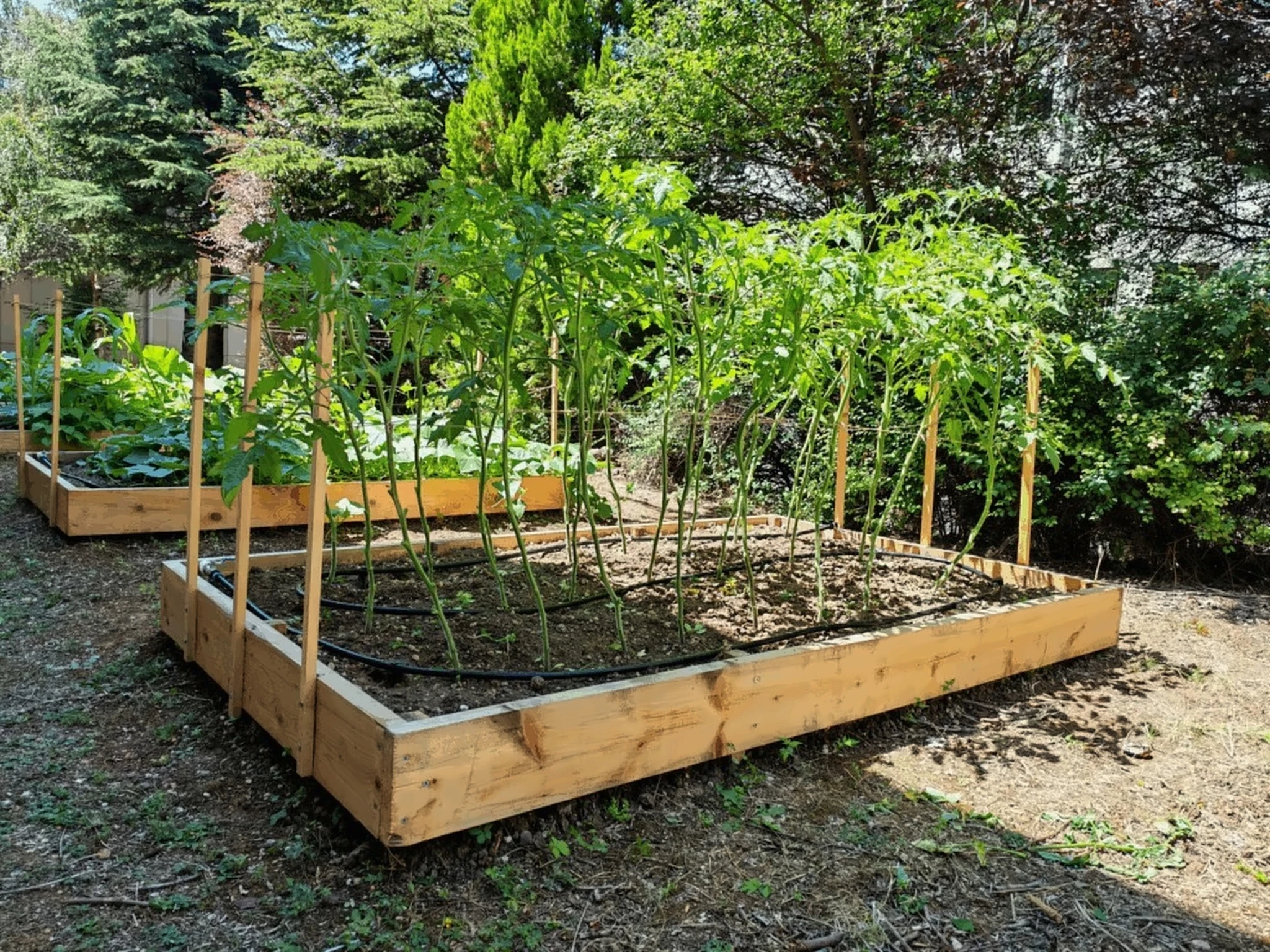
02/ The vision
Before the kitchen,
the ingredient.
A leaf’s texture, an herb’s aroma, the moment a vegetable is ready: good cooking begins with attention. Knowing how an ingredient grows offers another way to judge how to prepare it, when to use it and what to leave untouched.
For Barış, the garden extends his work as a chef and educator beyond the teaching kitchen. He leads the Department of Tourism and Hotel Management’s project under the supervision of Prof. H. Altay Güvenir, Dean of the Faculty of Applied Sciences.
Barış at Bilkent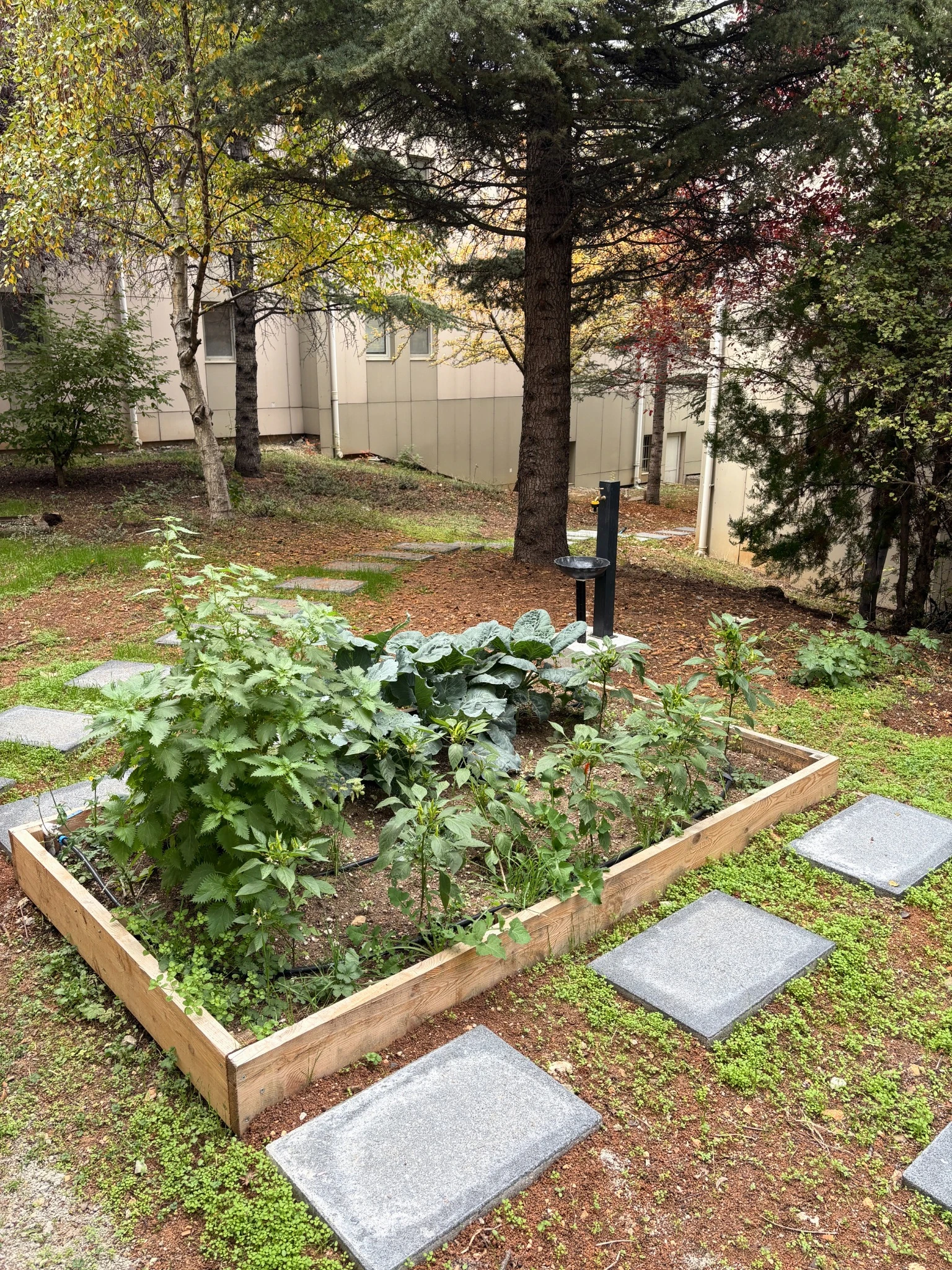
03/ The garden
A place to grow.
A place to observe.
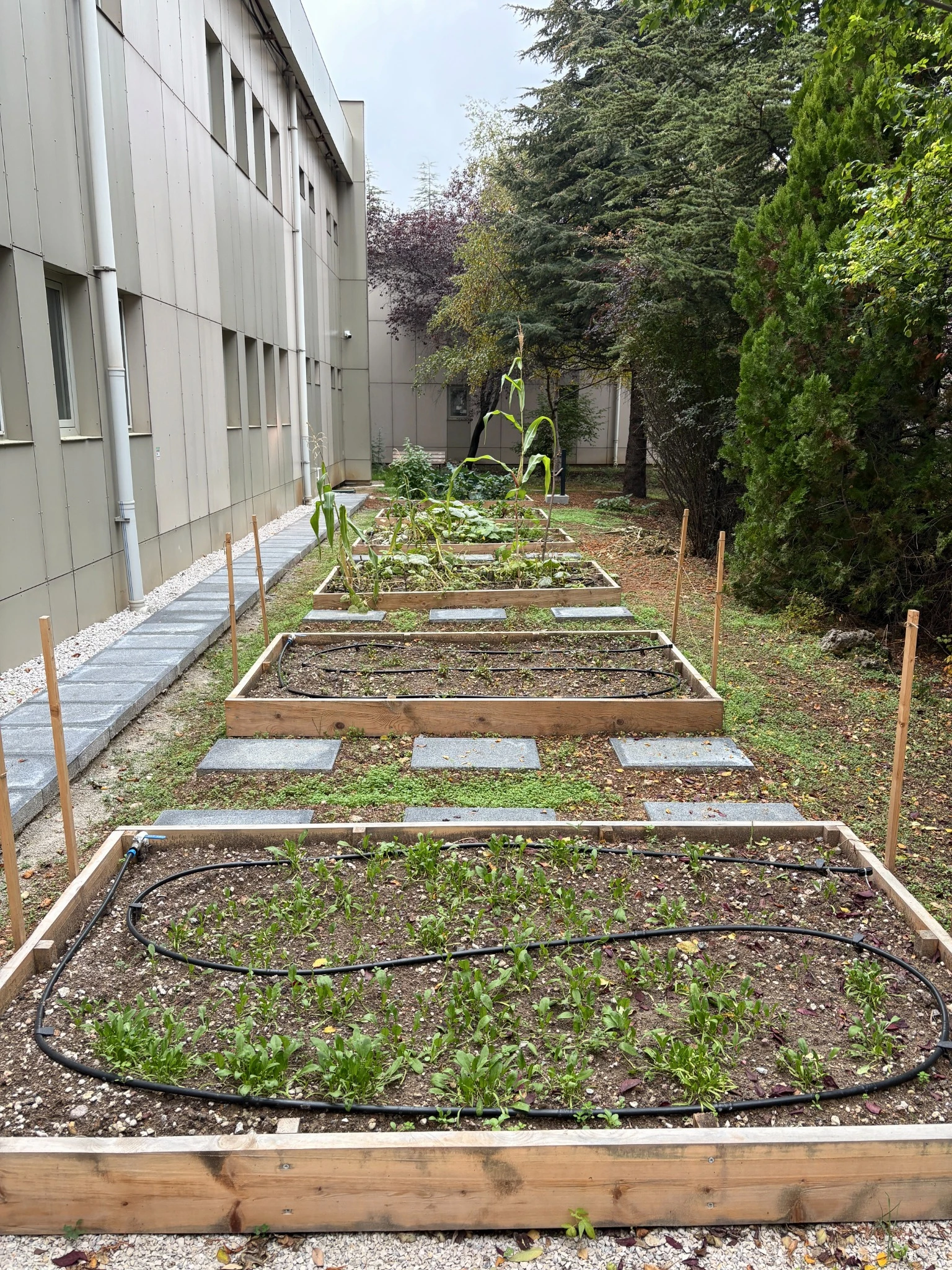
The project brings together approximately 2,000 m² of outdoor cultivation area and a 12 m² greenhouse. Raised beds, paths and planted spaces make the growing environment part of the university setting.
Its purpose is to grow good ingredients while giving students a direct encounter with agriculture and the resources it requires.
Thinking in relationships
Permaculture considers soil, water, plants and people as parts of a connected system. Its ethics — Earth Care, People Care and Fair Share — place care for living soil, human needs and the responsible use of resources within the same frame.
Explore the permaculture ethics04/ From garden to kitchen
An ingredient’s
journey, reconsidered.
Growing, cooking and making thoughtful use of what remains.
Bilkent plans to bring the garden’s harvests into menus at Le Piment Rouge, the department’s practice restaurant. Here, Barış teaches International Cuisines, connecting culinary technique with the experience of preparing and serving food.
The project also plans to turn food waste from Food Production Techniques (THM 244), Restaurant Service (THM 246) and International Cuisines (THM 323) into compost. These intended connections give students a way to consider the ingredient’s journey beyond the finished dish.
Le Piment RougeThe intended connection
- 01Cultivation
- 02Harvest
- 03Culinary practice
- 04Responsible resource use
05/ Learning through experience
A living
culinary classroom.
A growing environment makes time and care visible. Seedlings, planting tables and the daily needs of plants offer a setting for learning that begins before an ingredient arrives at the kitchen door.
Observing seasonal growth can sharpen a student’s attention to maturity and quality. Considering soil, water and food waste can make resource responsibility tangible. These encounters can inform practical decisions about sourcing, preparation and menu planning.
Use the arrow buttons, left and right arrow keys, or swipe to browse. Select a neighbouring photograph to bring it into the centre.
06/ The philosophy
Care for the ingredient.
Carry the knowledge forward.
- Culinary craftsmanship
- Understand an ingredient’s character. Let flavour, texture and season guide the technique.
- Responsible cultivation
- Observe the growing environment. Consider soil, diversity and the resources that connect the garden to the kitchen.
- Experiential education
- Give knowledge a practical setting. Connect what is observed in the garden with the judgement required in a professional kitchen.
The garden gives another dimension to Barış Ak’s work between the kitchen, the classroom and the field.
Explore his approach